
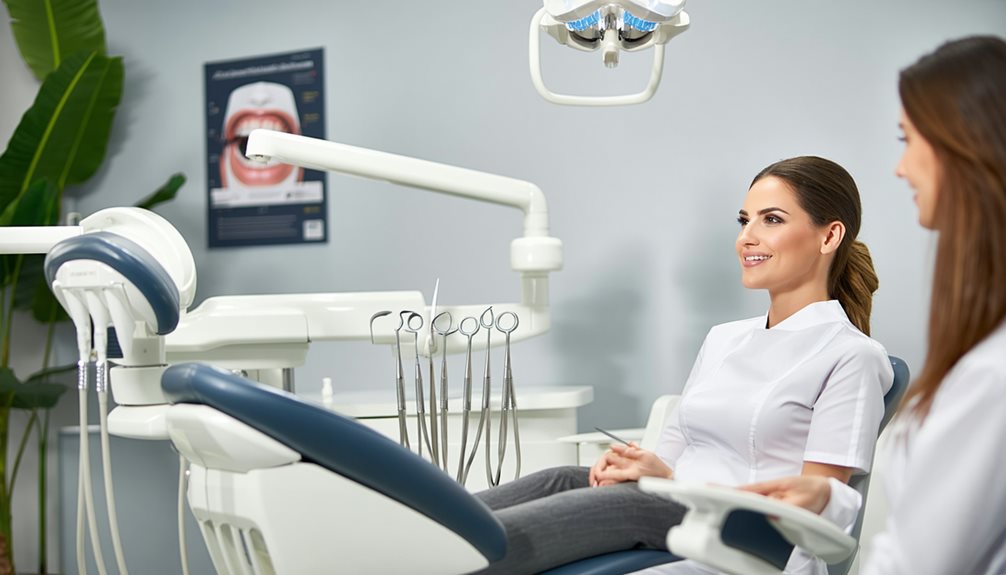
Selecting the appropriate sedation type, including local anesthesia, nitrous oxide, oral, or IV sedation, is critical for tailored patient care during wisdom teeth extraction. Adhering to pre-sedation instructions guarantees safety and procedural success, while strict fasting and medication guidelines reduce risk. Proper post-sedation care involves continuous monitoring and effective pain management. Anxiety management through techniques like mindfulness and relaxation enhances patient comfort. Effective communication with your dentist regarding expectations and concerns aligns treatment plans with patient needs. By exploring these expert tips, individuals can optimize their wisdom teeth extraction experience and guarantee a smoother recovery process.
Choose the Right Sedation Type
Selecting the appropriate sedation type for wisdom teeth extraction is a significant aspect of guaranteeing both patient comfort and procedural efficacy. The advent of advanced sedation options has empowered dental professionals to tailor approaches that align with patient preferences and medical necessities. Understanding these sedation modalities is fundamental for optimizing outcomes and elevating patient experiences.
Sedation options for wisdom teeth extraction primarily include local anesthesia, nitrous oxide sedation, oral conscious sedation, and intravenous (IV) sedation. Each option offers distinct benefits and considerations. Local anesthesia, while effective for numbing, lacks the calming effects provided by nitrous oxide, which offers a mild euphoria and rapid onset.
Oral conscious sedation, through medications like diazepam, provides a deeper level of relaxation, suitable for patients with moderate anxiety. For those seeking profound sedation, IV sedation offers precise control over sedative depth and an enhanced recovery profile.
Patient preferences play a significant role in selecting the appropriate sedation type. Informed discussions about individual anxiety levels, medical history, and personal comfort are essential.
This patient-centered approach not only guarantees procedural success but also fosters a sense of agency and trust, aligning care with contemporary demands for personalized medical solutions.
Understand Pre-Sedation Instructions
Having identified the appropriate sedation type, attention must be directed toward understanding and adhering to pre-sedation instructions to guarantee the safety and efficacy of the procedure. This critical preparatory phase demands a thorough approach, beginning with a pre-sedation checklist tailored to the specific sedation modality selected. This checklist serves as a roadmap, ensuring that both patient and provider are aligned in the procedural objectives and safety protocols.
Central to the pre-sedation process are the medication guidelines, which delineate permissible medications and those that should be temporarily suspended. Patients must disclose their full medical history, including current medications and supplements, to prevent adverse interactions. Innovations in digital health can facilitate this process, offering platforms where patients can securely share their medical information with their dental care provider.
Fasting protocols typically accompany sedation procedures, and precise adherence to these guidelines is imperative. Patients are generally instructed to abstain from food and drink for a specified period, minimizing the risk of aspiration during the procedure.
Additionally, understanding the importance of arranging transportation post-procedure ensures that patients do not inadvertently compromise their safety. By meticulously observing these pre-sedation instructions, patients position themselves for a successful and complication-free wisdom teeth extraction.
Prepare for Post-Sedation Care
Effective post-sedation care is crucial to guarantee a smooth recovery following wisdom teeth extraction. Meticulous attention to post-sedation monitoring and pain management strategies can considerably enhance the healing process.
Post-sedation monitoring involves observing essential signs and ensuring that patients emerge safely from sedation. Continuous assessment of respiration, consciousness, and circulation is critical to prevent complications.
Utilizing innovative technologies such as remote monitoring devices can streamline this process, providing real-time data to healthcare providers.Pain management strategies should be strategically planned and individualized. The judicious use of analgesics—ranging from nonsteroidal anti-inflammatory drugs (NSAIDs) to prescribed opioids—should be balanced with non-pharmacological methods. Ice packs, elevation, and relaxation techniques can serve as adjuncts to medicinal interventions, reducing dependency on medication.
To effectively implement post-sedation care, consider the following:
- Develop a personalized monitoring plan****: Tailor post-sedation protocols based on the patient’s medical history and specific needs.
- Employ pain management innovations: Leverage both pharmacological and non-pharmacological methods to manage discomfort.
- Ensure clear communication: Provide patients and caregivers with extensive instructions for home care.
- Schedule follow-up consultations****: Arrange timely post-operative appointments to assess recovery progress and adapt care plans.
Incorporating these practices can lead to ideal outcomes in post-sedation care.
Manage Anxiety Effectively
While meticulous post-sedation care facilitates physical recovery, addressing psychological aspects such as anxiety is equally significant. Anxiety reduction is paramount in optimizing patient outcomes during wisdom teeth extraction.
Innovative strategies for managing dental anxiety are essential to guarantee a seamless experience. Evidence-based relaxation techniques, such as diaphragmatic breathing and progressive muscle relaxation, have shown efficacy in diminishing anxious preoperative states. These methods engage the parasympathetic nervous system, promoting a sense of calm and reducing physiological stress markers.
Incorporating technology-driven solutions, such as virtual reality environments, can also enhance patient comfort by immersing them in tranquil settings, effectively distracting from the anticipated dental procedure. Moreover, the use of biofeedback devices allows real-time monitoring of physiological responses, empowering patients to modulate their stress levels consciously.
Mindfulness meditation is another potent tool, fostering a focus on the present moment and mitigating anxious thoughts. By practicing mindfulness, patients can develop resilience against stressors associated with dental interventions.
For those seeking pharmacological interventions, anxiolytic medications may be prescribed under professional guidance, offering additional support in managing acute anxiety.
Communicate With Your Dentist
Consistently maintaining clear and open communication with your dentist is critical to ensuring a successful wisdom teeth extraction process. Effective dialogue allows for the alignment of treatment expectations and the addressing of patient concerns, which are paramount in crafting a personalized care strategy.
To innovate within this domain, both patient and dentist must engage in a collaborative exchange of information.
Consider these essential points to enhance your communication strategy:
-
Clarify Treatment Expectations: Discuss procedural details, recovery timelines, and potential complications to align your expectations with the clinical realities.
-
Express Patient Concerns: Transparently share apprehensions regarding pain management, sedation options, or any prior adverse dental experiences to facilitate tailored care.
-
Ask About Technological Innovations****: Inquire if your dentist employs cutting-edge techniques or equipment that could optimize the extraction process or post-operative recovery.
-
Schedule Follow-up Visits****: Establish a clear timeline for post-operative assessments to monitor healing and address any emerging issues promptly.
Frequently Asked Questions
What Are the Risks Associated With Wisdom Teeth Sedation?
The risks associated with wisdom teeth sedation include potential adverse reactions, respiratory complications, and cardiovascular instability. Ensuring sedation safety is paramount, particularly for minimizing patient anxiety, while innovative monitoring technologies can further enhance procedural efficacy and safety outcomes.
How Long Does the Sedation Effect Last After the Procedure?
Sedation duration typically ranges from one to several hours, influenced by the sedative used. Recovery time varies, with most patients resuming normal activities within 24-48 hours, contingent upon individual physiological responses and adherence to post-operative care guidelines.
Can I Drive Myself Home After Being Sedated for Wisdom Teeth Removal?
Driving post-surgery is strongly discouraged due to residual sedation effects. Alternative transportation methods should be arranged to guarantee safety during recovery. Investigate sedation alternatives to minimize recovery time, promoting innovation in post-operative care and enhancing patient experience.
Are There Any Dietary Restrictions Before Undergoing Sedation for Wisdom Teeth Extraction?
Pre-operative guidelines for wisdom teeth extraction commonly require patients to fast for at least six hours, avoiding food and certain liquids. Ensuring proper patient hydration prior to fasting is essential for ideal sedation outcomes and recovery.
Is Sedation Covered by Dental Insurance for Wisdom Teeth Removal?
Insurance coverage for sedation options in wisdom teeth removal varies by provider and plan. It is vital to verify with your dental insurance company whether specific sedation techniques are included, as coverage often depends on medical necessity and policy terms.
Conclusion
In summary, selecting the appropriate sedation type, understanding pre-sedation instructions, and preparing for post-sedation care are essential for maximizing the outcome of wisdom teeth extraction. Effective anxiety management and clear communication with the dental practitioner further enhance the overall experience and success of the procedure. By adhering to these expert-recommended guidelines, patients can guarantee a smoother surgical process and recovery, thereby minimizing potential complications and promoting ideal oral health.

