
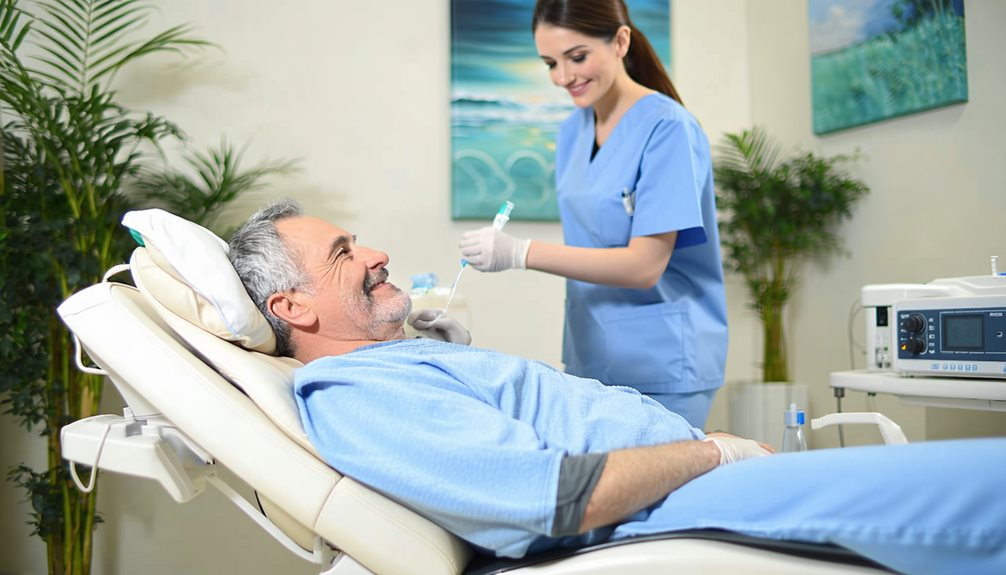
Sedation experts are essential in delivering pain-free dental treatments by utilizing customized sedation techniques to alleviate patient anxiety and discomfort. These professionals are well-versed in a range of sedation methods, including oral, intravenous, and nitrous oxide, ensuring that each patient receives care tailored to their specific needs and procedure requirements. The qualifications of sedation experts involve verified certifications and extensive training in sedation dentistry, with an emphasis on safety, patient monitoring, and effective communication. By choosing an experienced sedation expert, patients can benefit from a comfortable and anxiety-free treatment experience. To explore further advantages and expert recommendations, continue with this detailed overview.
Understanding Sedation Dentistry
How does sedation dentistry revolutionize patient care? At its core, sedation dentistry transforms the dental experience by addressing patient anxiety, a pervasive barrier to receiving necessary oral care. Many individuals forego dental treatments due to overwhelming fear, which can lead to adverse health outcomes.
Sedation dentistry mitigates this issue by providing a calming environment, enabling patients to undergo procedures with minimal distress.
Despite its benefits, sedation dentistry is often shrouded in sedation myths that deter its use. A prevalent misconception suggests that sedation is overly risky or suitable only for extensive surgeries. In reality, advancements in sedation techniques have rendered it safe for a wide range of procedures, from routine cleanings to complex surgical interventions.
Understanding these myths is essential for patients seeking innovative, anxiety-free solutions for their dental care.
Moreover, sedation dentistry is not a one-size-fits-all approach; it is tailored to individual needs, ensuring a personalized experience that aligns with the patient’s anxiety levels and medical history.
Types of Sedation Techniques
Sedation dentistry employs various techniques to guarantee patient comfort and manage anxiety during dental procedures.
Oral sedation involves administering medication orally to induce a relaxed state, while IV sedation provides a more controlled and adjustable level of sedation through intravenous delivery.
Additionally, nitrous oxide, commonly known as laughing gas, is used for its rapid onset and quick recovery, making it a popular choice for minor dental treatments.
Oral Sedation Options
Oral sedation is a widely utilized technique in modern dentistry and medical procedures, offering patients a range of options for achieving a state of relaxation and comfort. This method is particularly valued for its ease of administration and adaptability to various patient needs.
Ensuring oral sedation safety is a vital concern, as it allows practitioners to tailor the sedation level to enhance patient comfort while maintaining a secure environment.
Oral sedation typically involves the administration of medications such as benzodiazepines, which act on the central nervous system to induce a calming effect.
The following options highlight the versatility of oral sedation:
-
Minimal Sedation: This involves a low dose of oral medication, allowing the patient to remain awake and responsive, yet calm and relaxed.
-
Moderate Sedation: Higher doses are used to achieve a deeper state of relaxation, where the patient may slur speech and not remember much of the procedure.
-
Advantages: Oral sedation is non-invasive, easy to administer, and usually well-tolerated by patients.
-
Patient Assessment: Thorough evaluation is essential to determine the appropriate dosage and address any potential contraindications.
Understanding these options empowers practitioners to provide innovative, patient-centric care that prioritizes both efficacy and safety.
IV Sedation Benefits
Intravenous (IV) sedation emerges as a crucial choice in sedation techniques, offering unparalleled control over sedation depth and rapid onset of effects. This method is particularly advantageous in clinical settings that demand precision and adaptability.
The iv sedation advantages include its capacity for immediate titration, which allows clinicians to adjust sedation levels in real-time, ensuring maximum patient comfort and procedural efficacy. Additionally, the rapid induction of sedation minimizes patient anxiety and discomfort, enhancing the overall experience.
From a pharmacokinetic perspective, IV sedation facilitates the administration of medications directly into the bloodstream, ensuring swift and predictable effects. This direct administration bypasses the gastrointestinal tract, eliminating variability in absorption rates and leading to more consistent outcomes. The technique is ideal for lengthy procedures due to the ease of maintaining steady sedation levels.
However, iv sedation risks must be diligently considered. Potential complications include respiratory depression and hypotension, necessitating vigilant monitoring by skilled practitioners.
Advanced training and equipment are critical to mitigate these risks, ensuring patient safety remains paramount. Despite these challenges, the precision and adaptability offered by IV sedation underscore its significance in modern medical and dental practices, embodying innovation and efficacy in patient care.
Nitrous Oxide Use
While intravenous sedation is highly effective for managing deep sedation, nitrous oxide presents a valuable alternative for those seeking lighter sedation levels. Commonly referred to as "laughing gas," nitrous oxide is a colorless, non-flammable gas administered through inhalation. Its primary advantage is its rapid onset and recovery time, making it an ideal choice for procedures requiring minimal downtime.
The sedation effects of nitrous oxide are typically characterized by a sensation of relaxation and euphoria, allowing patients to remain conscious and responsive while reducing anxiety and discomfort.
The utilization of nitrous oxide offers several benefits:
-
Immediate Effects: Nitrous oxide begins to take effect within minutes, providing sedation without the prolonged wait times associated with other forms of sedation.
-
Customizable Dosage: Clinicians can adjust the concentration of nitrous oxide during the procedure, enabling precise control over sedation levels to align with patient needs and procedural requirements.
-
Minimal Side Effects: Nitrous oxide is known for its minimal side effects, with patients typically experiencing no lingering drowsiness post-procedure.
-
Enhanced Safety Profile: Due to its non-invasive administration and rapid elimination from the body, nitrous oxide is considered a safe option for various demographics, including pediatric and geriatric patients.
Benefits of Sedation Dentistry
Sedation dentistry offers a transformative approach to dental care by greatly reducing anxiety and discomfort for patients during procedures. This innovative method addresses patient anxiety effectively, allowing individuals who might otherwise avoid dental visits due to fear to receive necessary care.
By deploying various sedation techniques, dental professionals can enhance treatment comfort, enabling longer and more complex procedures to be conducted in a single visit. This not only improves patient experience but also increases procedural efficiency.
The utilization of sedation dentistry results in a plethora of benefits. To begin with, it notably diminishes the perception of pain and discomfort, facilitating a more relaxed state for patients. This reduction in stress can lead to better overall health outcomes, as patients are more likely to adhere to recommended treatment plans.
Additionally, sedation allows for precise execution of intricate dental procedures, as patients remain still and cooperative, minimizing disruptions.
Furthermore, the psychological benefits are profound. Patients often report a marked decrease in dental phobia, resulting in improved oral care habits and more frequent dental visits.
Essentially, sedation dentistry is pivotal in advancing dental care by prioritizing patient comfort and optimizing procedural success.
Choosing the Right Sedation Expert
Selecting the appropriate sedation expert is crucial for guaranteeing safe and effective dental sedation. As patients increasingly seek innovative and comfortable dental experiences, the demand for qualified sedation professionals grows. The process of choosing the right expert involves several critical considerations to guarantee both safety and satisfaction.
-
Qualifications Verification: It is imperative to verify the qualifications of the sedation expert. They should possess the necessary certifications and licenses specific to sedation dentistry. This includes advanced training in sedation techniques and a thorough understanding of anesthesia protocols.
-
Experience: Evaluate the expert’s experience in administering sedation.
An extensive clinical background guarantees familiarity with handling diverse patient needs and potential complications. Experienced professionals are more adept at tailoring sedation plans to individual requirements.This may also be of interest to you -
Patient Reviews: Patient reviews and testimonials provide valuable insights into the expert’s competence and patient care standards. Positive feedback from previous patients can be an indicator of the expert’s reliability and ability to deliver pain-free treatment.
-
Consultation Process: A thorough consultation process is essential. The expert should engage in detailed discussions regarding the sedation process, addressing any patient concerns and guaranteeing informed consent.
This illustrates transparency and builds trust in the expert’s capabilities.
Safety Measures in Sedation
Ensuring the safety of patients undergoing sedation involves a thorough approach that begins with a detailed pre-sedation health assessment to identify any potential risks.
Continuous monitoring of critical signs is essential throughout the procedure to detect any adverse reactions promptly.
Furthermore, having established emergency protocols and readily accessible equipment is important to manage unforeseen complications effectively.
Pre-Sedation Health Assessment
Before administering sedation, a thorough pre-sedation health assessment is vital to guarantee patient safety and ideal outcomes. This evaluation involves a meticulous review of the patient’s health history and current medical status. The objective is to identify any potential contraindications or risk factors that may complicate the sedation process.
A detailed pre-sedation evaluation enhances the predictability of the sedation experience and facilitates tailored sedation plans.
Key components of the pre-sedation health assessment include:
-
Medical History Review: Evaluate the patient’s past and present medical conditions, previous surgical procedures, and any history of adverse reactions to sedation or anesthesia. This information is essential for identifying potential complications.
-
Medication and Allergy Assessment: Document all current medications, including over-the-counter and herbal supplements, and review any known allergies. This confirms compatibility and prevents adverse drug interactions.
-
Physical Examination: Conduct a focused physical examination to assess cardiovascular, respiratory, and neurological status. This examination helps in identifying any physiological abnormalities that may affect sedation.
-
Laboratory and Diagnostic Tests: When indicated, obtain necessary laboratory tests or imaging studies to further evaluate the patient’s condition and confirm that sedation can be administered safely.
Monitoring Vital Signs Continuously
During sedation, continuous monitoring of essential signs is imperative to guarantee patient safety and promptly address any adverse events. Advanced technology enables clinicians to accurately track critical signs, including heart rate, blood pressure, oxygen saturation, and respiratory rate.
Real-time analytics provide instantaneous feedback, allowing practitioners to detect subtle physiological changes before they escalate into serious situations. This proactive approach is significant in managing sedation-related risks.
Innovative monitoring systems employ sophisticated algorithms to interpret complex data, facilitating precise decision-making. Wireless sensors and wearable devices enhance patient comfort while delivering uninterrupted data streams.
Such advancements enable healthcare professionals to maintain a vigilant eye on patients, even during minimally invasive procedures, ensuring an ideal balance between sedation depth and safety.
The integration of artificial intelligence into monitoring platforms further revolutionizes patient care by predicting potential complications. Machine learning models can analyze vast datasets to identify patterns indicative of deteriorating conditions, prompting timely interventions.
Continuous monitoring not only safeguards patient health but also enhances sedation protocols, minimizing drug-related side effects and improving recovery times.
Incorporating cutting-edge technology in monitoring critical signs represents a transformative leap in sedation practices, aligning with the growing demand for safer, more efficient medical interventions.
Emergency Protocols and Equipment
Implementing robust emergency protocols and having the appropriate equipment at hand are critical components of safety measures in sedation practices. These elements guarantee that practitioners are prepared for unforeseen complications, thereby safeguarding patient well-being.
Emergency readiness involves not only the strategic planning of protocols but also rigorous training sessions to confirm that all staff members are proficient in handling crises. This approach is complemented by the maintenance of high-quality equipment, which must be routinely checked and calibrated to function effectively.
Key aspects of emergency protocols and equipment maintenance include:
-
Emergency Protocols Development: Establish thorough and clear guidelines that detail the steps to be taken during an emergency, ensuring rapid response and minimizing risk.
-
Regular Training Sessions: Conduct frequent drills and training programs to maintain a high level of emergency readiness among all team members, enhancing their ability to perform under pressure.
-
Equipment Maintenance: Implement a stringent schedule for the inspection, testing, and servicing of all sedation-related equipment to prevent malfunctions during critical moments.
-
Inventory Management: Maintain an updated and accessible inventory of all essential emergency equipment and medications, ensuring immediate availability when required.
Finding Top Sedation Dentists
Locating top sedation dentists requires a systematic approach to ascertain both safety and efficacy in dental care. A primary consideration is the management of sedation anxiety, a prevalent concern among patients seeking dental procedures.
To address this, prospective patients should investigate dentist credentials meticulously. Essential qualifications include certification in sedation dentistry, which guarantees competency in administering and managing various sedation techniques. Moreover, dentists should possess advanced training in patient assessment, monitoring, and emergency management to assure a thorough approach to care.
An innovative step in evaluating potential sedation dentists involves reviewing their affiliations with professional organizations, such as the American Dental Society of Anesthesiology. Membership in such bodies often reflects ongoing commitment to education and adherence to the latest advancements in sedation protocols.
Additionally, examining patient reviews and testimonials can provide insight into the dentist’s ability to alleviate sedation anxiety and deliver pain-free experiences.
Technological integration in practice is another aspect indicating a top sedation dentist. Utilization of state-of-the-art equipment and digital monitoring systems underscores a dedication to precision and patient safety.
Frequently Asked Questions
How Does Sedation Affect Recovery Time After Dental Procedures?
Sedation benefits include anxiety reduction and increased patient comfort during dental procedures. However, recovery expectations may vary, as sedation can extend the time required for a full return to normal activities due to its lingering physiological effects.
Are There Any Dietary Restrictions Before Undergoing Sedation?
Pre-sedation guidelines typically require fasting to prevent aspiration, often mandating no food or drink for at least six hours prior. Post-sedation diet recommendations generally include light, easily digestible meals to aid recovery and avoid complications.
Can Sedation Be Used for Routine Dental Cleanings?
Sedation can indeed be utilized during routine dental cleanings to alleviate dental anxiety, providing significant sedation benefits. This approach enhances patient comfort and compliance, fostering an innovative, stress-free dental experience for individuals apprehensive about traditional procedures.
What Are the Costs Associated With Sedation Dentistry?
The costs associated with sedation dentistry vary widely based on sedation options utilized and may range from $150 to $500. Insurance coverage typically depends on the procedure’s necessity and the specific terms of the patient’s insurance plan.
How Does Sedation Interact With Other Medications I’m Taking?
Sedation interactions can considerably impact medication safety. Prior to sedation, a thorough evaluation of concurrent medications is essential. This guarantees ideal management and minimizes potential adverse effects, thereby safeguarding the patient’s health while fostering innovative treatment approaches.
Conclusion
Sedation dentistry plays an essential role in enabling pain-free dental treatments through various techniques tailored to patient needs. The benefits include reducing anxiety and discomfort, thereby enhancing patient compliance and treatment outcomes. Selecting a qualified sedation expert requires careful consideration of qualifications and experience to guarantee patient safety and effective care. Adherence to stringent safety measures is vital in minimizing risks associated with sedation. Locating top sedation dentists involves thorough research and evaluation of credentials and patient reviews.

