
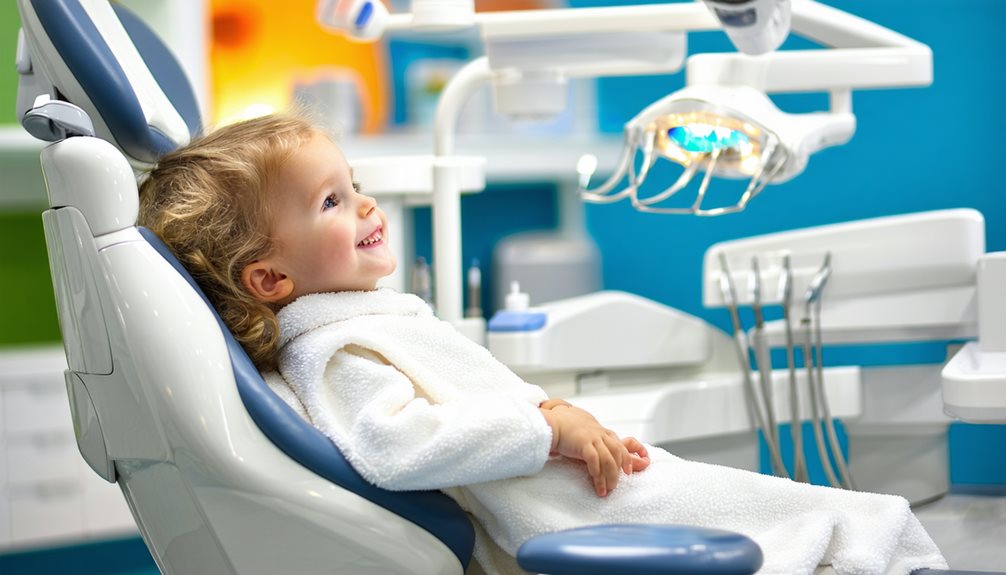
Trusting experts in pediatric sedation dentistry is essential to ensuring your child’s dental visits are safe, comfortable, and anxiety-free. These practitioners undergo rigorous training and certification, equipping them with the skills to address the unique physiological and psychological needs of young patients. With stringent safety standards and continuous monitoring, they provide tailored sedation approaches that foster positive dental experiences and prevent future phobias. The expertise of these professionals not only enhances the immediacy of treatment outcomes but also contributes to long-term oral health. Discover how partnership with knowledgeable practitioners can transform dental care for children.
Understanding Pediatric Sedation
Steering through the domain of pediatric sedation can seem intimidating at first, but understanding its fundamentals is essential for ensuring the safety and comfort of young patients during dental procedures.
Pediatric patients often experience anxiety in the dental chair, which can hinder effective treatment. Consequently, sedation techniques play a vital role in facilitating a more relaxed and manageable dental experience. These techniques are specifically designed to cater to the unique physiological and psychological needs of children, ensuring minimal discomfort while maximizing patient cooperation.
The array of sedation techniques available for pediatric patients is diverse, ranging from mild options such as nitrous oxide, commonly known as "laughing gas," to more profound methods like oral sedation or intravenous sedation, depending on the complexity of the procedure and the child’s specific needs.
Each technique is carefully selected to balance safety and efficacy, making it imperative for dental professionals to employ a tailored approach for each patient. By fostering a calming environment, sedation can markedly enhance the overall dental experience, reducing fear and promoting positive associations with oral healthcare.
Understanding these techniques is fundamental to advancing pediatric dental care, delivering innovative solutions that prioritize the well-being of young patients.
Specialized Training and Certification
Guaranteeing the safety and efficacy of sedation in pediatric dentistry requires rigorous specialized training and certification for dental professionals. This commitment to excellence guarantees that practitioners are not only well-versed in the unique physiological and psychological needs of children but also adept in employing advanced techniques tailored for pediatric care.
The path to becoming an expert in this field involves thorough education, encompassing both theoretical knowledge and practical application, often extending beyond standard dental school curricula.
Professional credentials in pediatric sedation dentistry are an indication of a practitioner’s dedication to maintaining the highest standards of care. These credentials are typically awarded through a combination of accredited postgraduate programs and ongoing professional development, emphasizing the importance of staying abreast of the latest innovations and research in the field.
This guarantees that practitioners are equipped with cutting-edge methodologies for safe sedation practices.
Furthermore, certification bodies provide a framework for evaluating a dentist’s capability to perform sedation safely and effectively, fostering trust and confidence among patients and their families.
Safety Standards and Protocols
In the domain of pediatric sedation dentistry, adherence to thorough safety guidelines and rigorous monitoring procedures is paramount to ensuring the well-being of young patients.
These protocols are meticulously designed to address the unique needs of children, minimizing risks and enhancing the effectiveness of sedation practices.
Comprehensive Safety Guidelines
While the importance of pediatric sedation dentistry is widely acknowledged for guaranteeing young patients’ comfort during dental procedures, it is imperative that detailed safety guidelines are rigorously followed to protect their well-being.
The complexity of administering sedation to children necessitates stringent safety measures and adherence to cutting-edge sedation techniques. This guarantees that the delicate balance between effective sedation and patient safety is meticulously maintained.
Extensive safety guidelines for pediatric sedation dentistry include several critical components that practitioners must rigorously apply:
-
Pre-procedural Assessment: Conducting thorough medical evaluations to tailor sedation plans to each child’s unique health requirements.
-
Sedation Techniques: Utilizing evidence-based sedation methods that minimize risk while maximizing comfort and cooperation.
-
Emergency Preparedness: Equipping facilities with life-saving equipment and training staff in emergency response protocols.
-
Informed Consent: Guaranteeing parents and guardians are fully informed about the sedation process and potential risks involved.
-
Post-sedation Care: Providing extensive care instructions and monitoring to guarantee a smooth recovery post-procedure.
Rigorous Monitoring Procedures
Rigorous monitoring procedures form the backbone of safety standards and protocols in pediatric sedation dentistry, guaranteeing that young patients remain safe and comfortable throughout dental procedures. This meticulous approach involves continuous patient observation and the use of advanced sedation equipment, tailored to the unique physiological responses of children.
By leveraging cutting-edge technology, dental professionals can closely monitor essential signs such as heart rate, oxygen saturation, and respiratory rate in real-time, allowing for immediate intervention if necessary.
The integration of sophisticated sedation equipment facilitates an adaptive response to any variations in a child’s condition, supporting a proactive rather than reactive approach to care. This guarantees that the sedation levels remain within safe limits, minimizing risks and enhancing the overall experience for both the child and their guardians.
In addition, these monitoring procedures are not static; they evolve with advancements in technology and emerging research, embodying a commitment to innovation and continuous improvement in pediatric dental care.
In the hands of skilled professionals, rigorous monitoring protocols offer reassurance that every possible measure is taken to safeguard young patients. This dedication to safety underscores the trust parents place in pediatric sedation dentistry, making it a cornerstone of modern dental practice.
Tailored Sedation Approaches
Recognizing the unique needs of each child, tailored sedation approaches in pediatric dentistry affirm that treatments are both effective and comfortable.
By focusing on individualized care, pediatric sedation experts guarantee that each young patient receives the precise level of sedation necessary for their specific situation, ultimately enhancing patient comfort and the overall dental experience.
This innovative approach not only meets the specific medical and emotional needs of children but also fosters a positive relationship with dental care from a young age.
Tailored sedation strategies are grounded in a detailed understanding of each child’s medical history, behavioral patterns, and specific dental needs.
Here are key components that exemplify this approach:
- Comprehensive Assessment: Evaluating each child’s medical history and dental requirements to determine the most suitable sedation method.
- Customized Sedation Plans: Adapting sedation techniques to match the child’s individual psychological and physiological needs.
- Parental Involvement: Incorporating parents’ insights and concerns into planning to enhance trust and cooperation.
- Adaptive Techniques: Utilizing a range of sedation methods, from mild nitrous oxide to deeper sedation, as needed.
- Continuous Evaluation: Monitoring and adjusting sedation levels throughout the procedure for maximum safety and effectiveness.
These tailored approaches underscore the importance of expertise and innovation in achieving successful pediatric dental care outcomes.
Managing Dental Anxiety in Children
Some children experience significant anxiety when faced with dental visits, a common challenge that requires thoughtful management.
Pediatric sedation dentistry experts employ a range of techniques to manage these anxieties. Creating a welcoming and playful atmosphere can help ease initial discomfort. Additionally, employing child-friendly language to explain procedures allows children to feel more in control, reducing fear of the unknown.
Behavioral strategies, such as positive reinforcement and distraction techniques, prove effective in altering child behavior towards dental visits. Incorporating technology, such as virtual reality or interactive games, is a contemporary approach that modernizes the dental experience, making it engaging and less intimidating.
Long-term Oral Health Benefits
The long-term oral health benefits of pediatric sedation dentistry are profound, extending far beyond immediate comfort during dental procedures. By minimizing anxiety and discomfort, sedation guarantees that children receive extensive preventive care, laying the groundwork for lifelong oral hygiene habits.
Trusting experts in this field can greatly influence a child’s dental trajectory, as they employ advanced techniques to foster a positive attitude towards dental health.
Pediatric sedation dentistry facilitates:
- Enhanced Preventive Care: Allows for thorough cleanings and examinations, catching potential issues early.
- Improved Oral Hygiene: Encourages children to adopt consistent brushing and flossing habits without fear of dental visits.
- Reduced Dental Phobia****: Cultivates a sense of ease with dental environments, reducing anxiety in adulthood.
- Thorough Treatment: Guarantees that necessary procedures are completed efficiently, minimizing the need for future interventions.
- Personalized Care: Tailors sedation methods to meet individual needs, promoting safety and efficacy.
In an era where innovation in healthcare is paramount, pediatric sedation dentistry exemplifies a forward-thinking approach to oral health.
It not only addresses immediate concerns but also fortifies a child’s foundation for maintaining ideal dental health throughout life, underscoring the value of expert-driven preventive care and oral hygiene.
Frequently Asked Questions
How Do Experts Address Parents’ Concerns About Sedation Side Effects?
Experts address parental concerns about sedation side effects by emphasizing sedation safety and providing thorough parental education. They offer clear, evidence-based information on procedures, monitor advancements in sedation technology, and guarantee open communication to foster trust and reassurance.
What Role Do Experts Play in Emergency Situations During Sedation?
In emergency situations during sedation, experts implement rigorous emergency protocols and continuous sedation monitoring to guarantee patient safety. Their specialized training enables swift identification and management of complications, fostering confidence in innovative, safe pediatric dental practices.
How Do Experts Ensure Sedation Techniques Are Up-To-Date?
Experts verify sedation techniques remain current by integrating the latest research into updated sedation protocols. This approach assures safety and efficacy, enabling practitioners to provide innovative, compassionate care tailored to the unique needs of pediatric patients.
What Qualifications Distinguish Experts From General Pediatric Dentists?
Experts in pediatric sedation dentistry possess advanced training and sedation certifications, distinguishing them from general pediatric dentists. Their specialized knowledge guarantees safe, innovative sedation practices tailored to children’s needs, enhancing both patient comfort and procedural efficiency.
How Do Experts Handle Cultural Differences in Sedation Preferences?
Experts adeptly address cultural differences in sedation preferences through cultural sensitivity and effective sedation communication. By understanding diverse cultural norms and expectations, they guarantee personalized care that respects individual values, fostering innovative, patient-centered approaches in pediatric sedation dentistry.
Conclusion
Trust in experts in pediatric sedation dentistry is paramount due to their specialized training, adherence to rigorous safety standards, and ability to tailor sedation approaches to individual needs. These professionals are equipped to manage dental anxiety effectively, ensuring a positive experience for young patients. By fostering a supportive and safe environment, they contribute greatly to the long-term oral health of children, establishing a foundation for lifelong dental care and overall well-being.

