
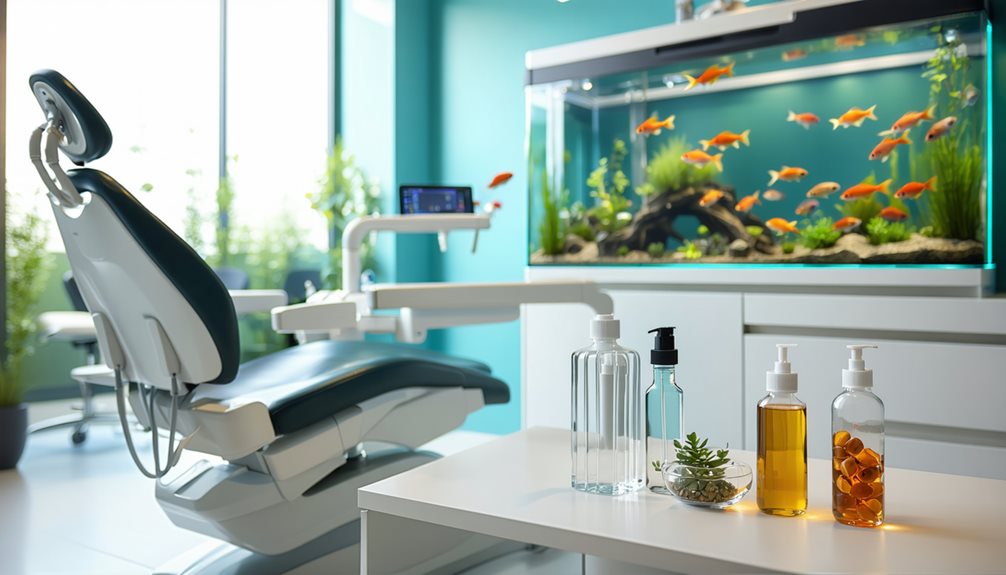
For anxious patients requiring gentle sedation, several effective options exist. Nitrous oxide, known as "laughing gas," provides rapid onset relaxation with minimal side effects and quick recovery. Oral sedation via benzodiazepines is simple and enhances patient compliance, although metabolism variations exist. IV sedation offers rapid anxiety reduction with precise control and quick recovery when managed by skilled professionals. Minimal sedation or anxiolysis suits patients with mild anxiety, ensuring faster recovery and minimal side effects. Finally, local anesthetic techniques deliver targeted pain relief, reducing anxiety while maintaining patient comfort. Each method has unique benefits that cater to individual patient needs.
Nitrous Oxide Sedation
Nitrous oxide sedation, commonly known as "laughing gas," is a widely used method for managing anxiety in dental and medical procedures. This sedation technique offers significant advantages, enhancing patient comfort and compliance during potentially stressful interventions.
Nitrous oxide is administered via inhalation, providing rapid onset and easy titration, which allows clinicians to adjust sedation levels in real-time based on the patient’s needs and response.
The benefits of nitrous oxide are manifold. It induces a state of relaxation without compromising consciousness, thereby ensuring that patients remain responsive and can communicate during procedures. This is particularly advantageous in scenarios requiring patient cooperation or when continuous monitoring of verbal cues is essential.
Additionally, nitrous oxide is metabolized quickly, allowing patients to recover promptly, reducing downtime and enabling them to resume normal activities almost immediately post-procedure.
From a safety perspective, nitrous oxide is well-regarded for its minimal side effects and low risk of complications. It is especially beneficial for patients with anxiety disorders or phobias related to dental or medical environments.
The innovative application of nitrous oxide sedation represents a significant progression in patient-centered care, enhancing overall procedural experience and outcomes.
Oral Sedation Pills
Oral sedation pills offer a practical alternative for managing anxiety in patients undergoing dental and medical procedures. This method involves the administration of oral sedative medications, typically benzodiazepines, which act on the central nervous system to induce a state of relaxation and diminish anxiety.
One of the primary oral sedation benefits is its ease of administration, as it requires no specialized equipment or advanced training. Patients can take the medication prior to their appointment, allowing for a seamless integration into the clinical workflow.
The pharmacokinetics of oral sedation provide a predictable onset and duration of action, making it suitable for a variety of procedural lengths. Additionally, oral sedation enhances patient compliance due to its minimally invasive nature, reducing the psychological barrier often associated with other sedation modalities.
However, oral sedation risks must be carefully considered. Variability in individual metabolism can lead to unpredictable sedation levels. Over-sedation poses risks such as respiratory depression, while under-sedation may not adequately alleviate anxiety.
Additionally, patients must be monitored for potential drug interactions and contraindications, particularly with concurrent medications. Informed consent and thorough pre-procedural evaluation are imperative to maximize safety and efficacy.
IV Sedation Therapy
Intravenous (IV) sedation therapy provides a highly effective method for managing anxiety and discomfort in patients undergoing medical and dental procedures. Administered directly into the bloodstream, this sedation technique allows for rapid onset and precise control over sedation levels, accommodating a spectrum from moderate to deep sedation. This adaptability positions IV sedation as a versatile option for patients with varying levels of anxiety and procedural requirements.
The primary IV sedation benefits include its ability to maintain patient consciousness while greatly reducing anxiety and pain perception, thereby facilitating smoother procedural experiences. This technique also enables continuous monitoring and adjustment of sedative dosage, guaranteeing ideal patient comfort and procedural efficiency. In addition, IV sedation is known for its rapid recovery period, minimizing postoperative downtime and enhancing patient throughput.
Regarding IV sedation safety, it encompasses a robust safety profile when managed by trained healthcare professionals.
Continuous monitoring of essential signs, such as heart rate, blood pressure, and oxygen saturation, guarantees timely intervention in the event of adverse reactions.The selection of agents with short half-lives further contributes to the sedation’s safety, reducing the likelihood of prolonged sedation effects. Innovative advancements in IV sedation continue to refine its efficacy and safety, meeting the demands of modern healthcare.
Minimal Sedation Options
Minimal sedation, often referred to as anxiolysis, serves as an ideal solution for patients who experience mild anxiety during medical and dental procedures. This approach guarantees patients remain awake yet relaxed, thereby enhancing the overall experience while maintaining safety.
Minimal sedation benefits extend beyond anxiety reduction; it allows for quicker recovery and minimal side effects, making it a preferable choice for those seeking innovative care solutions.
Minimal sedation techniques typically involve the administration of oral or inhaled medications that gently calm the patient without causing significant alterations to consciousness or respiratory function. These techniques are particularly advantageous in settings that demand patient cooperation and clear communication.
Key benefits of minimal sedation include:
- Enhanced patient comfort: Patients remain calm, reducing stress and anxiety.
- Improved procedural efficiency: Less patient movement, facilitating smoother procedures.
- Rapid recovery: Patients can resume normal activities shortly after the procedure.
- Minimal side effects: Lower risk of complications compared to deeper sedation levels.
For practitioners aiming to enhance patient experience through state-of-the-art techniques, minimal sedation represents a forward-thinking approach.
Local Anesthetic Techniques
Local anesthetic techniques serve as a cornerstone in modern medical and dental practices, providing targeted pain relief with minimal systemic effects. By precisely blocking nerve conduction in specific areas, local anesthesia offers a tailored approach to pain management, especially beneficial for patients with anxiety who may fear systemic sedation.
Techniques such as infiltration, nerve blocks, and topical applications allow clinicians to address pain at the source without altering the patient’s consciousness or compromising their physiological functions.
Infiltration involves administering local anesthesia directly into the tissue surrounding the targeted site, effectively desensitizing the area. Nerve blocks, on the other hand, entail injecting anesthetics near major nerve pathways, thereby inhibiting pain transmission over broader regions. For surface-level procedures, topical anesthetics provide non-invasive pain management by temporarily numbing the skin or mucous membranes.
Advancements in local anesthetic formulations have enhanced their efficacy and duration, offering prolonged pain relief and reducing the need for repeated administration. Innovations such as buffered and liposomal anesthetics have further refined local anesthesia, minimizing discomfort during injection and optimizing pharmacokinetic profiles.
These techniques empower healthcare providers to offer patient-centered care, prioritizing comfort and minimizing anxiety, ultimately fostering a more positive procedural experience.
Frequently Asked Questions
How Can I Discuss Sedation Concerns With My Dentist Effectively?
Effectively discussing sedation concerns with your dentist involves articulating your sedation preferences and identifying anxiety triggers. This collaborative approach guarantees tailored care, leveraging innovative sedation techniques for ideal comfort and addressing specific anxieties within a clinical setting.
Are There Natural Remedies to Help Manage Dental Anxiety?
Exploring natural remedies for dental anxiety involves utilizing herbal supplements such as valerian root and chamomile, alongside calming techniques like guided imagery and deep breathing exercises, which collectively foster relaxation and enhance patient comfort through innovative, non-pharmacological approaches.
Is Sedation Covered by Dental Insurance Plans?
Dental insurance coverage for sedation types varies considerably across plans. Patients should verify whether their specific policy includes provisions for sedation, such as nitrous oxide or oral sedatives, particularly for procedures deemed medically necessary or anxiety-inducing.
How Do I Choose the Right Sedation Option for My Anxiety Level?
Selecting an appropriate sedation option necessitates a thorough anxiety assessment. Understanding sedation types, such as nitrous oxide, oral sedatives, or intravenous options, allows for personalized treatment, enhancing patient comfort and fostering innovative approaches to anxiety management.
What Are the Potential Risks of Combining Different Sedation Methods?
Combining sedation methods can lead to adverse sedation interactions, impacting drug efficacy and safety. Adherence to anesthesia guidelines is paramount in minimizing complications such as respiratory depression, hemodynamic instability, and prolonged recovery, ensuring ideal patient outcomes in innovative sedation practices.
Conclusion
In summary, effectively managing anxiety in patients through gentle sedation techniques is essential in promoting a positive healthcare experience. Nitrous oxide sedation, oral sedation pills, and IV sedation therapy provide varying levels of sedation suitable for different clinical scenarios. Minimal sedation options and local anesthetic techniques further enhance patient comfort while minimizing systemic effects. These methods, selected based on patient-specific needs and medical history, play a pivotal role in enhancing procedural outcomes and ensuring patient safety and satisfaction.

